what is the future?
Kahlil Joseph, Fela Kuti, and the history we study to get there

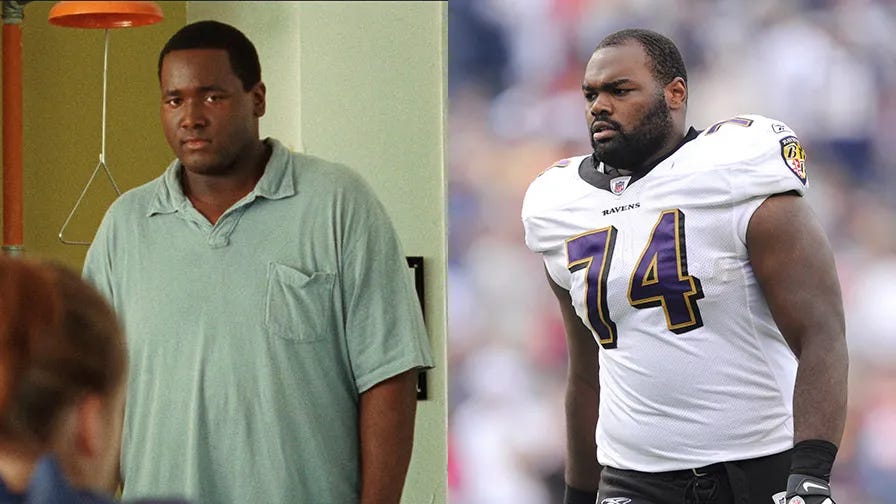
The first American film I remember watching growing up, I must embarrassingly admit, was The Blind Side from 2009 starring Sandra Bullock. I must’ve watched it over 500 times. What a foul introduction to the falsehoods of the Hollywood studio system. It is an all-American football film about an uneducated, downtrodden, homeless Black man who needs a strong Christian woman to save him.

This would be a troubling, albeit familiar premise for 2009. What brings it to colossal levels of irony is that the film’s real-life inspiration, NFL offensive tackle Michael Oher, later sued the family alleging they lied about adopting him while profiting millions from his name.
When I think about how powerful film as a medium is, I think about its ability to rewrite history in cultural memory for both emancipatory and [sinister] ends. Film allows us, the “last,” the disenfranchised, the downtrodden, to envision a future where we are not those labels.

Where we can travel across the Atlantic on a spaceship, live in community with Black and diasporic artists, journalists, curators, and scholars, as seen in the masterpiece BLKNWS: Terms and Conditions, directed by Kahlil Joseph. The question of the future, particularly of future-making for black and diasporic people, is what our film club discussion of Joseph’s film and Fela Kuti’s album “The Best of the Black President” centered on. Members of the film club stated: “BLKNWS allows us to reflect and understand where we are in time, and how we’re working for something past our timeline.” Another member emphasized that to embody the characteristics of an Afrofuturist, “one must be a historian,” and in doing so we “understand what history really is, that history is only what is recorded.” The result of that recording is usually the memory of dominance. That thought brought me back to The Blind Side.
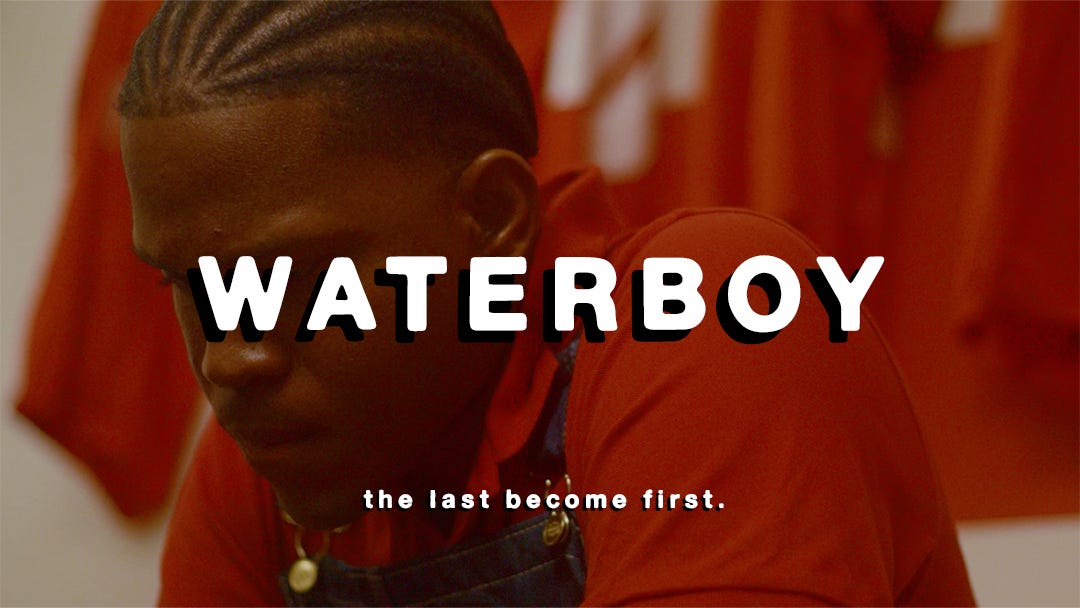
When I was 19, I started writing my first short film, WATERBOY. It began as an attempt to respond to the failings of The Blind Side, centered around my experiences as a waterboy at a preparatory high school. I know now that I was seeking to create a new historical and cinematic record of Black people in football.
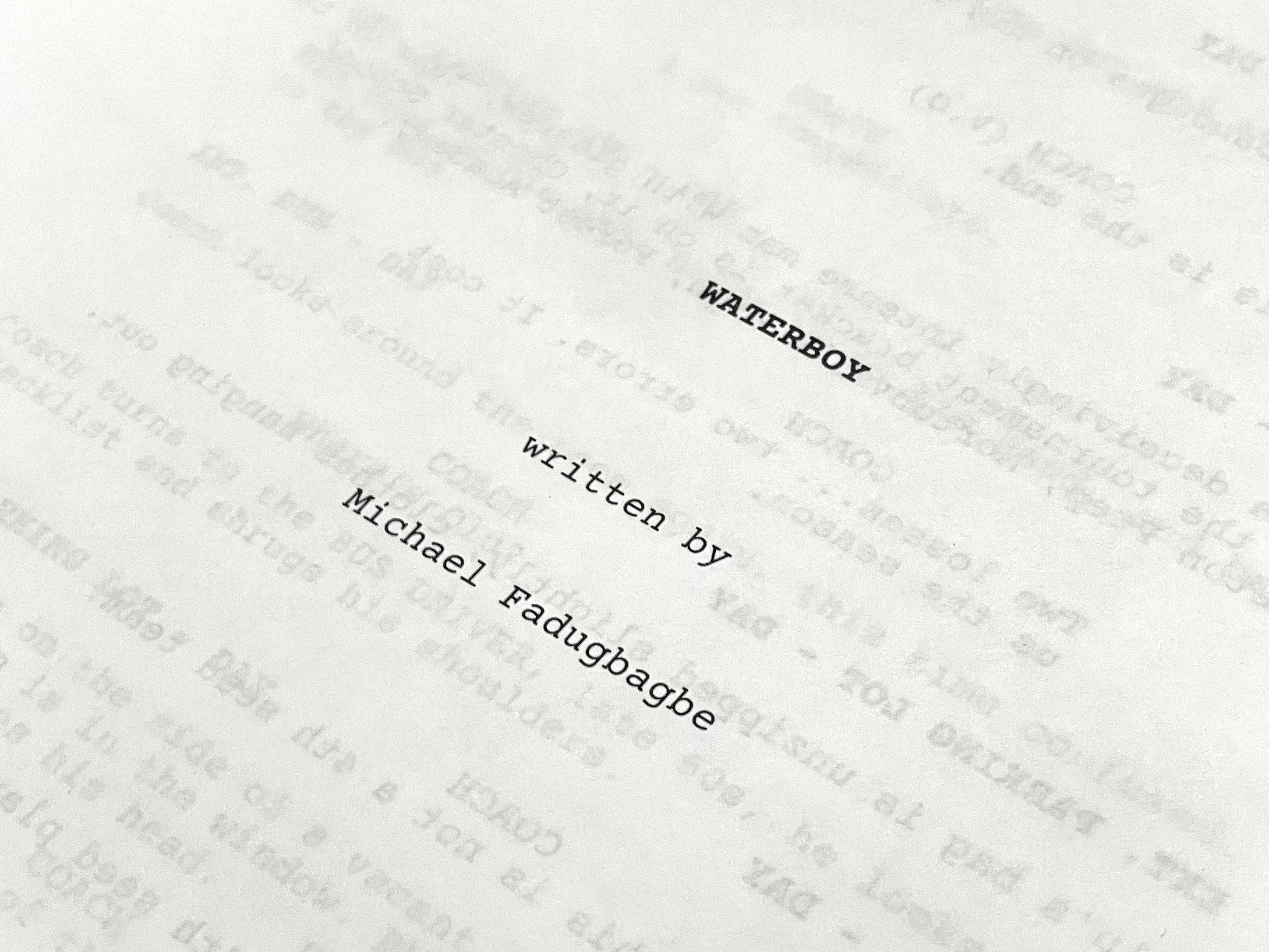
By 21, I’d shot and edited the film, and still believed the piece was missing something, a piece of myself. The element was Afrobeat, a genre I felt called to because of the enduring impact of its creator, Fela Kuti. At that moment, I discovered how afrofuturism in art presents itself, in studying your history to form your future.